Our adventure of a lifetime was in full swing by the time we left Anchorage for Denali National Park, which was our second park in Alaska so far.



Alaska has 8 National Parks:
- Denali
- Wrangell St. Elias
- Gates of the Arctic
- Kenai Fjords
- Glacier Bay
- Katmai
- Kobuk Valley
- Lake Clark
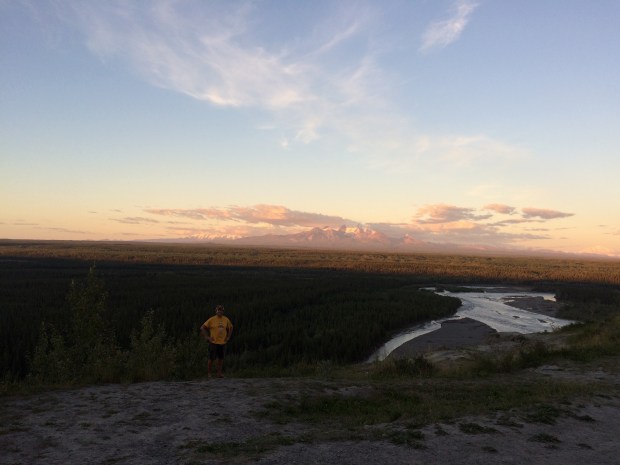
Due to the terrain and undeveloped nature of the state, however, only two are accessible by car: Denali and Wrangell St. Elias. We’d stopped at Wrangell St. Elias on our way to Valdez, but didn’t spend much time there since we were working with a bit of a deadline and the park is so huge that it could take hours just to see a small portion anyway. We did take a little walk through the park and saw both the namesake Wrangell and St. Elias ranges, and had even camped out with a beautiful view of the mountains the previous night.
Denali was the next on our list, and we couldn’t wait to get in there and see some wildlife and hopefully Denali (a.k.a. Mount McKinley) itself. They say on average only 1 in 3 visitors gets to see the mountain, as it’s often socked in by clouds or fog, and we had a cloudy forecast. So we arrived with fingers crossed and bought our tickets for a bus tour the following day. I didn’t know this before we went, but Denali National Park is only accessible to the public for 15 miles of the 92-mile road into the park. You can drive in as far as Savage River, but after that all tourists—other than those staying at Teklanika Campground—must pay for a bus tour in order to access the remainder. Some of the tours can last as long as 12 hours, but we went for an 8-hour ride since we had a doggy at home who would need to go out. It was a chilly morning, and the windows were steamed up for the beginning of the trip, but soon they cleared and we could all sit back and watch the fall colors roll by.
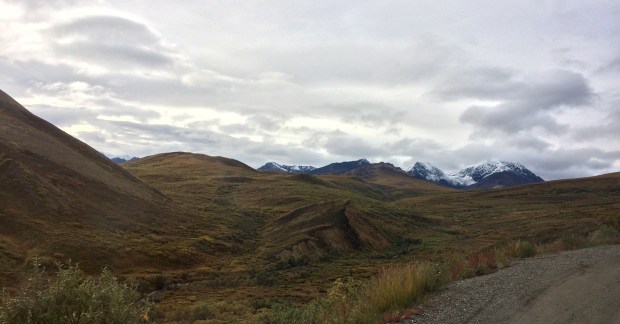

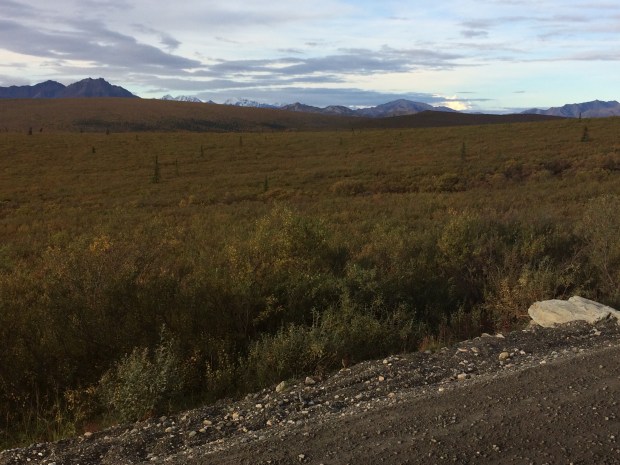

It’s been startling how quickly the season has advanced as we travel north! It has accelerated the timeline, but luckily I love fall and I’m exactly in the mood for it.
On the way to the Visitors Center that would be our turnaround point, we stopped a few times and got to hike around, use bathrooms, and take pictures.


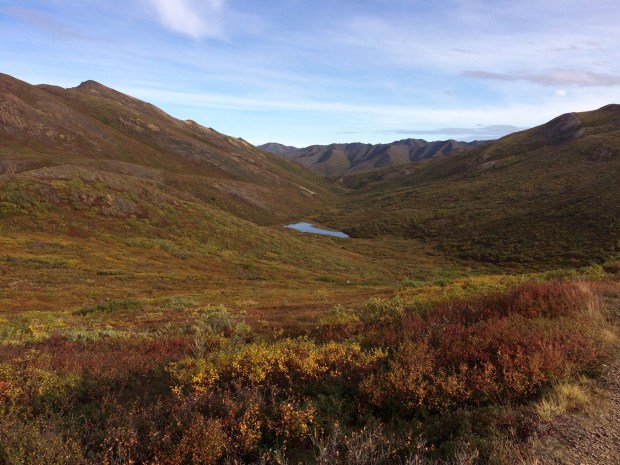

Along the drive we saw ptarmigan, Dall sheep, moose, Arctic ground squirrel, and a mama grizzly bear and two little cubs in the distance running along fast! There was much speculation as to why they were running, since they’re so close to hibernation that they should be conserving calories. Our guide guessed that the mama could smell a male grizzly nearby and she was trying to protect her cubs. We stayed and watched for a long time, and still they ran and ran until we lost sight of them.
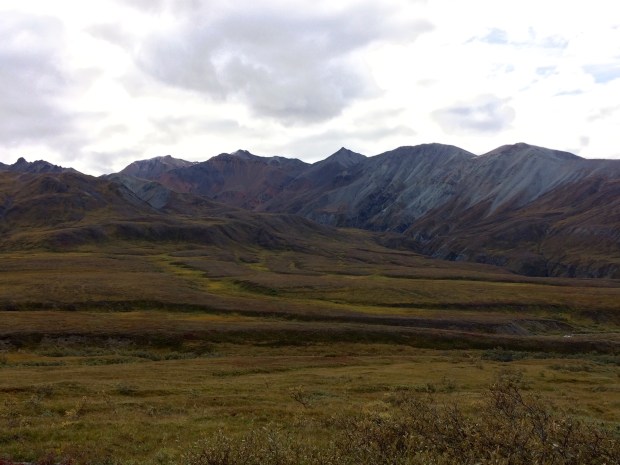
We continued on to the Visitors Center, and had a little time to walk to the lookout and admire the view.
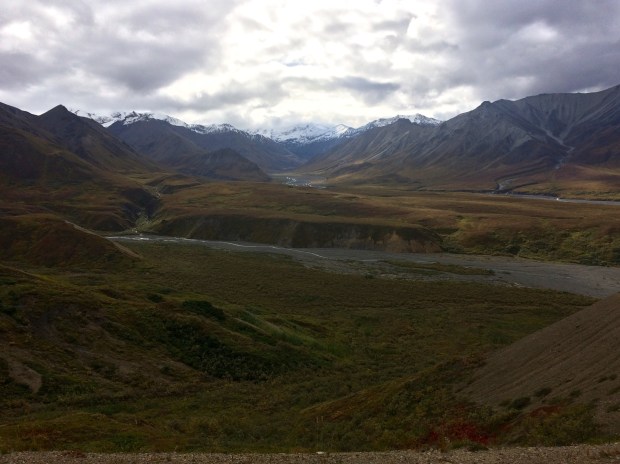
Then back onto the bus, where we had fewer people since many had started hikes and would take another bus down later. So for the whole trip back we had great views on both sides of the bus, which really came in handy when a big male grizzly was sighted on the opposite side of the bus. We hopped over and I took some pictures that are grainy, but still fun to see.
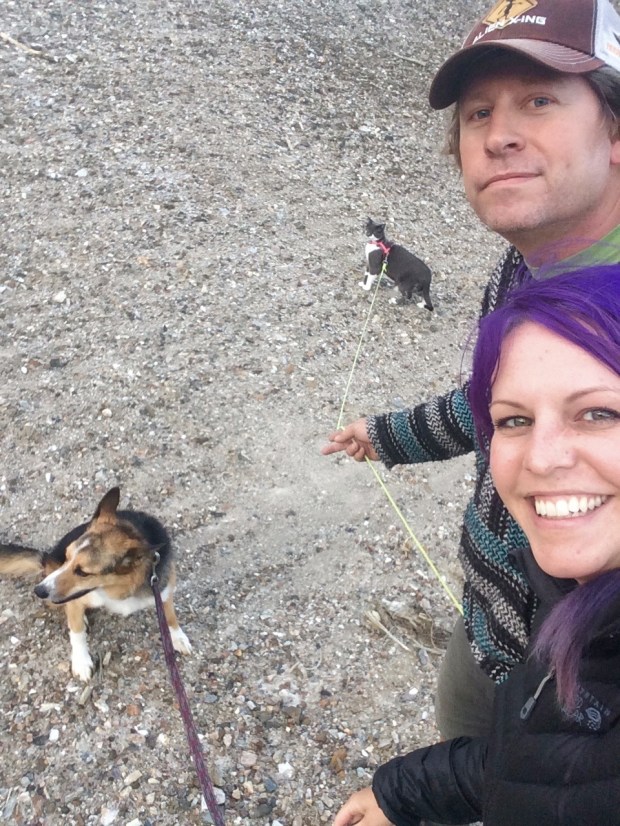
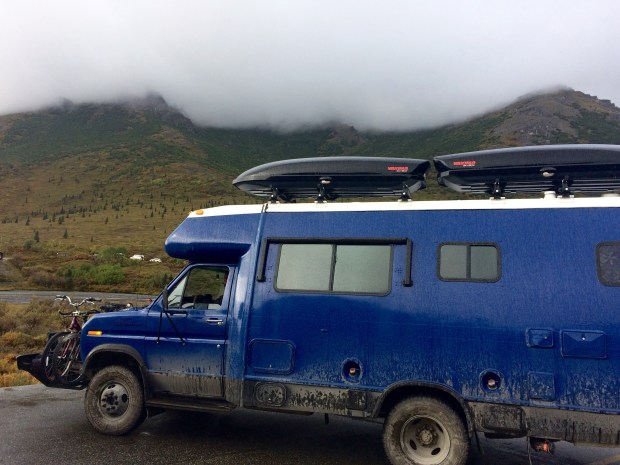
We’d found a nice spot to park for the few nights we’d be in town, so we went back and settled in for the evening, taking the animals on a nice walk and even snapped our first 4-person selfie with the pets.
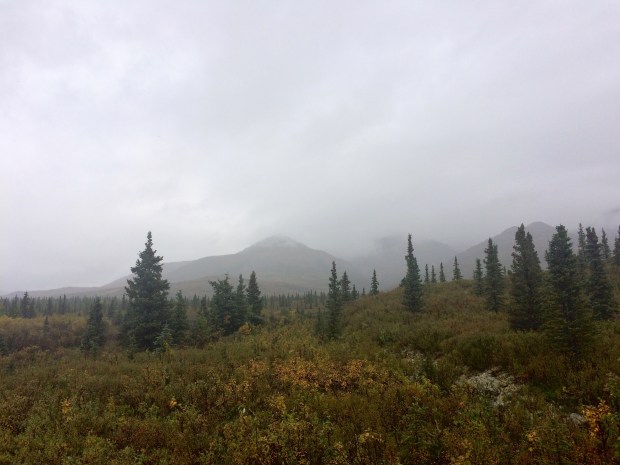
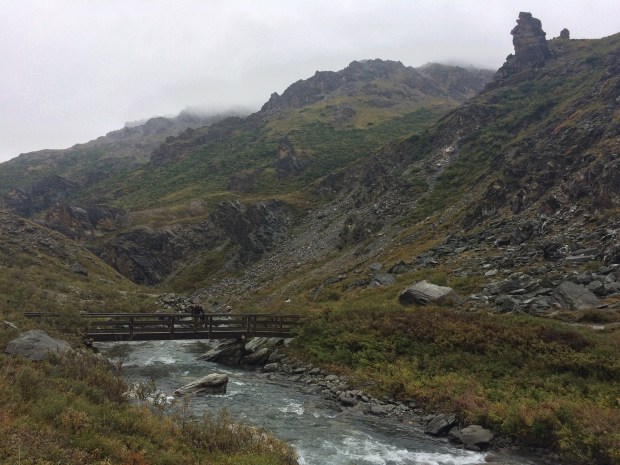
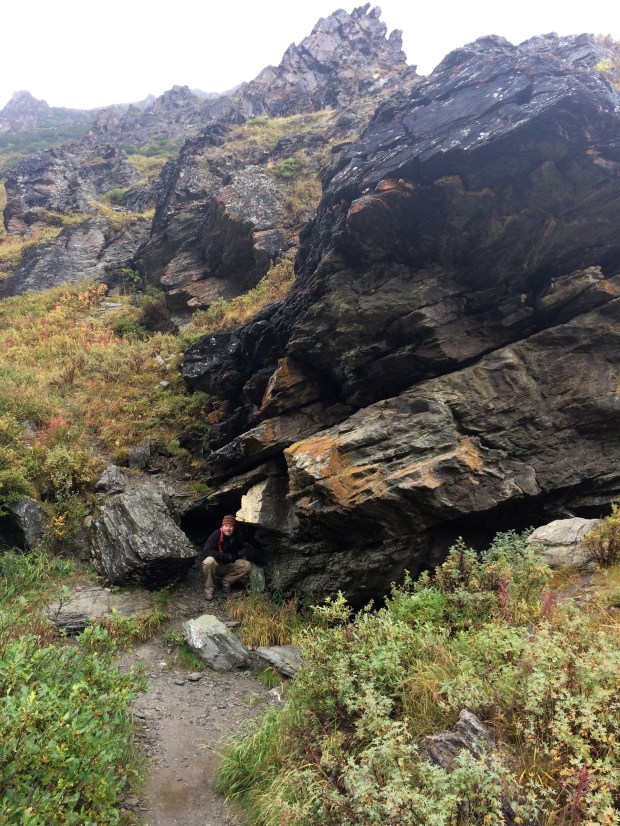
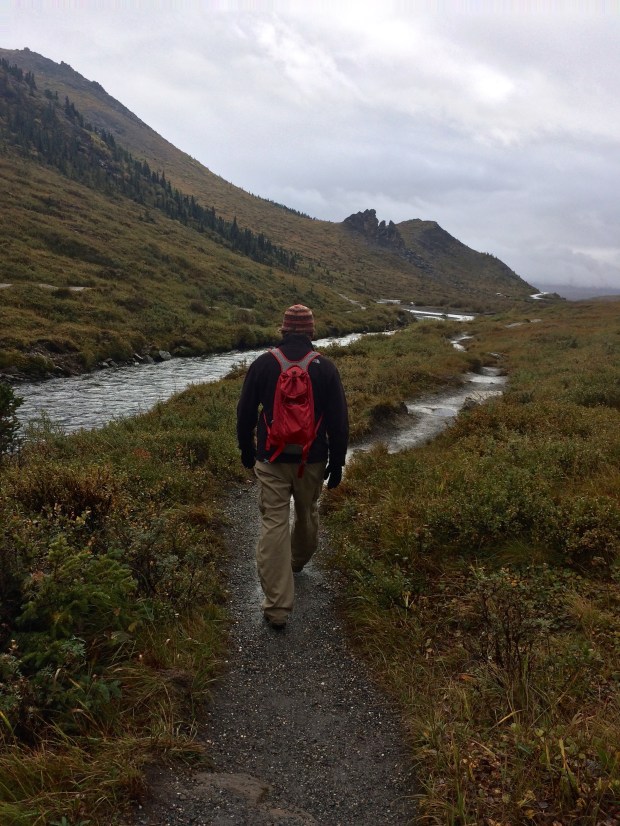
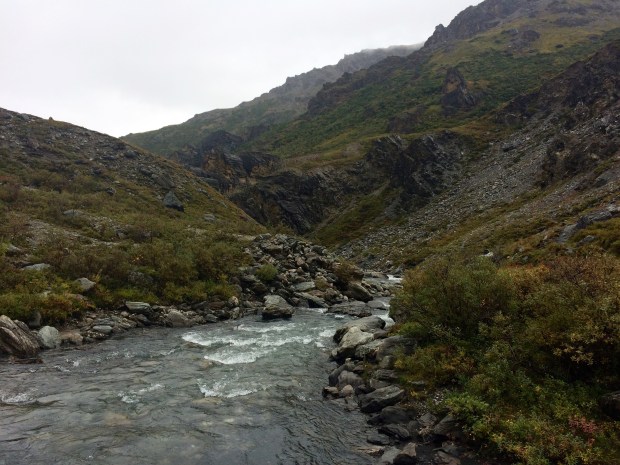
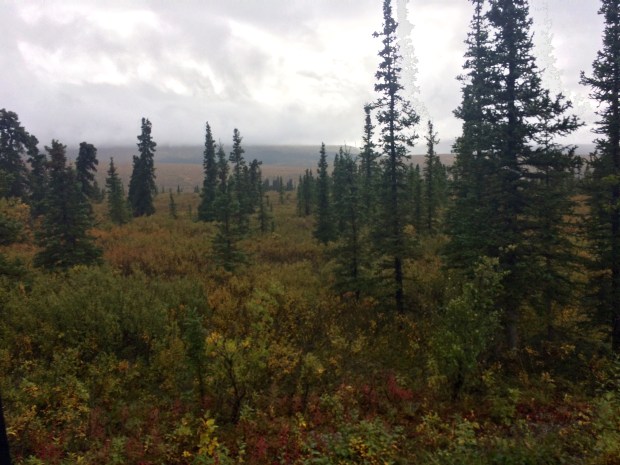
The next day we went back to the park and took a walk around Savage River, which was moody and cozy in the drizzle and fog.


During the summer the park has three daily demonstrations with their sled dog team, which we had timed our hike’s end to attend. I was so excited to see the dogs. They are actual working dogs who spend the winter helping the rangers get around and haul supplies to the cabins and outposts around the grounds. Since the park is a designated wilderness area motorized vehicles aren’t allowed anyway, but additionally the dogs are part of the history of the park and actually much more reliable than vehicles.
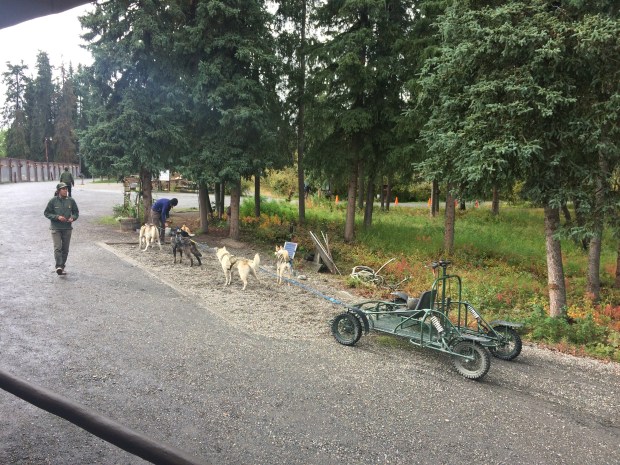
They are bred not for appearance in any way, but for their athleticism, double coat, closeness of paw pads (so ice doesn’t pack between them), bushy tail (to keep them warm when they sleep outside with tail over face, creating a warm pocket of air), and a trait where their arteries and veins are very close together which helps keep their blood warm as it travels around their bodies. But their appearance is still pretty darn cute too.
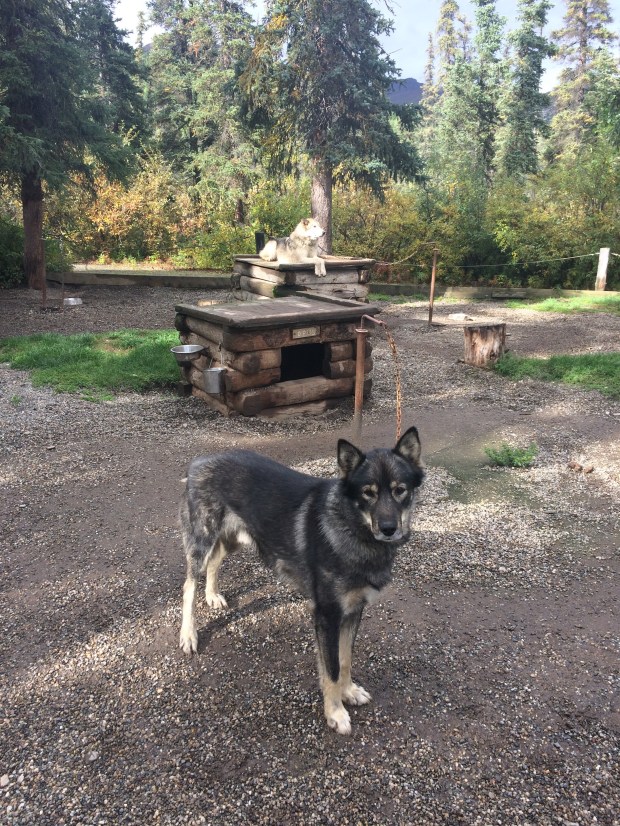
They were so sweet and eager to run. The trainer told us that they harness two fewer dogs to the summer “sled” for the demonstration than they do for the winter sleds, because if they didn’t she’d end up in the ditch!
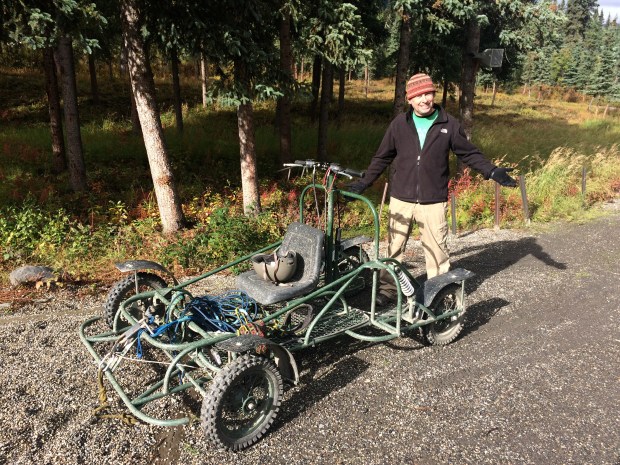
Andy of course loved the sled.
We would have loved to stay extra days to climb all the mountains and watch fall continue to move in, but we’d planned a trip up to the Arctic Ocean and every degree counts when you get close to freezing. So we pressed on Northward for what was to become one of the greatest adventures yet!
 Blue Turtle Crossing